
Paver Patio Cost in San Luis Obispo County: What Sets the Price
A paver patio's cost in San Luis Obispo County comes down to a handful of things: how big it is, what the ground under it needs, which paver you choose, how easy the site is to reach, and what else comes with it, such as walls, steps or drainage. This guide walks through each one the way we do when we write an estimate. When you're ready for a real number, call 805-712-4440 or request a free estimate.
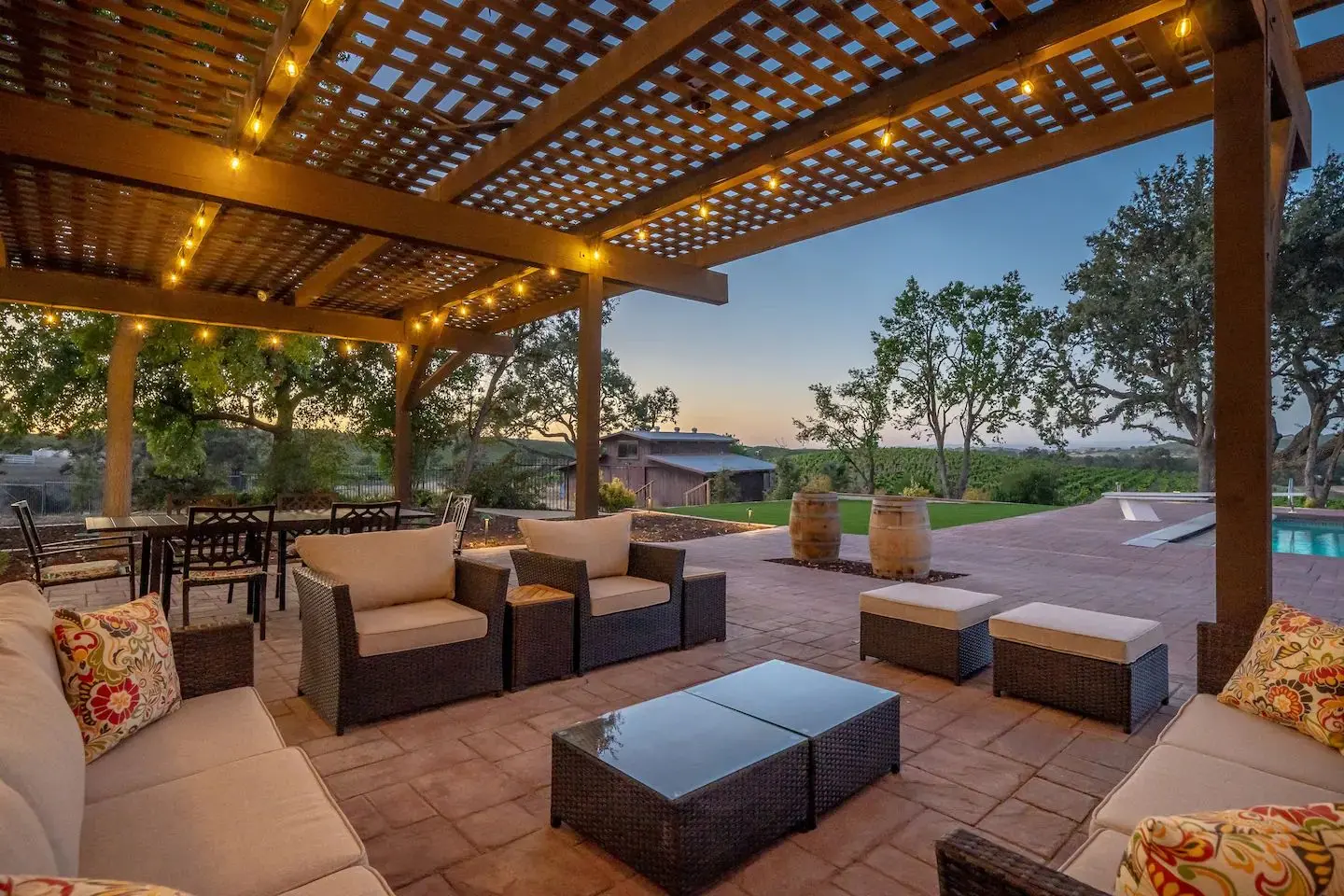
Why no price list? We only publish numbers we can stand behind, and two yards of the same size can differ a lot once soil, slope and access are known. This guide explains what moves the price so you can plan, and our written estimate after a site visit gives you the real figure for your yard.
1. The Ground Under the Patio
The base is the part you never see, and it's often the biggest variable. SLO County soils change a lot from town to town:
- Heavy clay in much of San Luis Obispo and parts of the South County swells and shrinks, so it needs deeper excavation, more compacted base and often geotextile fabric.
- Shallow soil over rock on the Paso Robles west side and Atascadero hills means slower digging and sometimes rock removal.
- Sand on the Nipomo Mesa and near the coast drains well but needs solid edge restraint so the patio doesn't creep.
Removing an old slab, lawn or soft soil, and hauling it away, is part of this line too.
2. Size and Shape
Bigger patios cost more in total but usually less per square foot, because setup, equipment and edging are spread over more area. Curves, many corners, inlays and borders mean more cutting and more waste than a simple rectangle.
3. The Paver You Choose
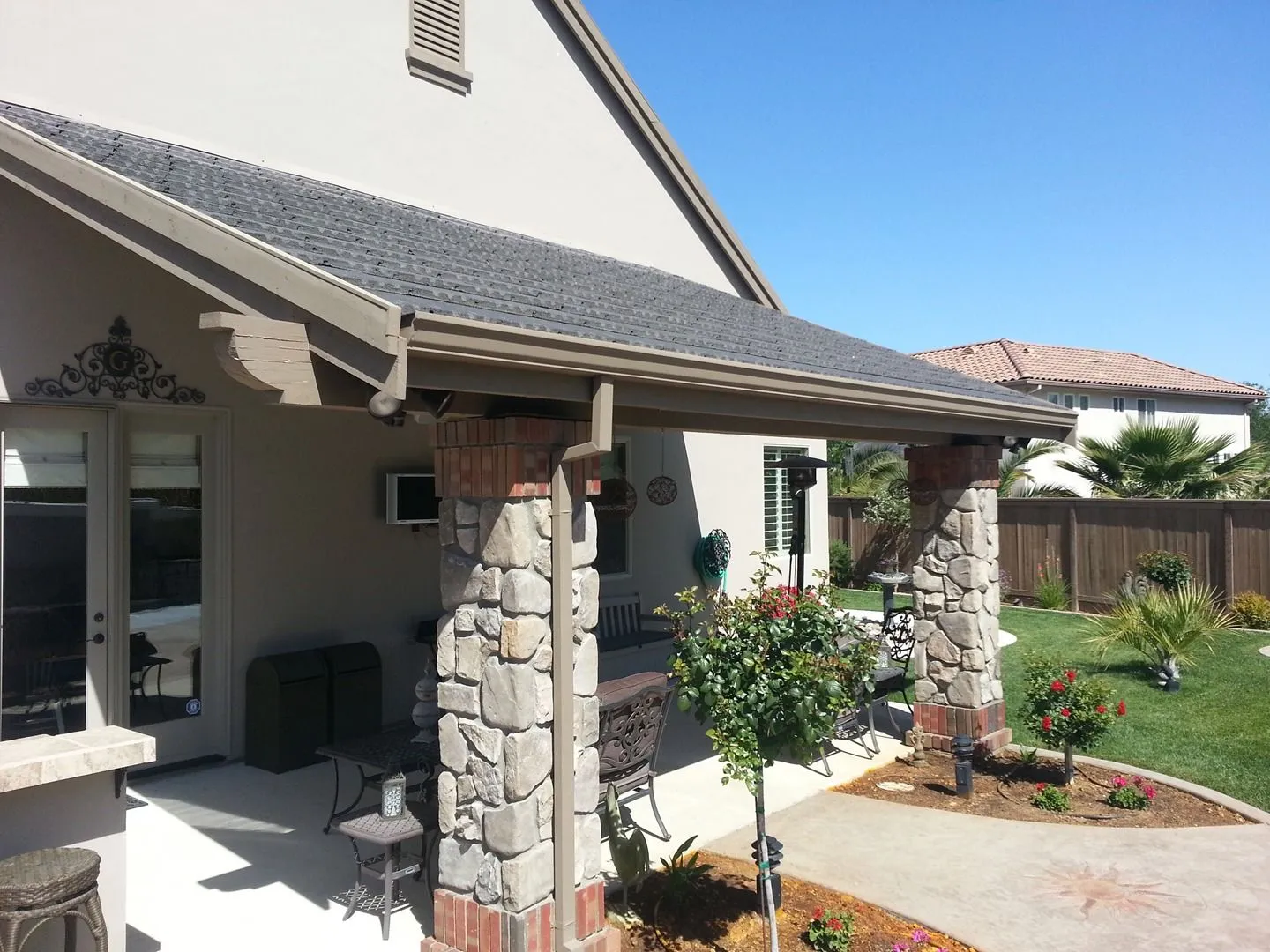
Standard concrete pavers, larger-format and textured concrete pavers, permeable pavers, natural stone such as flagstone or travertine, and porcelain all price differently, and so do their installation methods. Permeable pavers need a deeper open-graded base. Natural stone takes more hand fitting. We bring samples so you can compare look, feel and heat underfoot in full sun.
4. Slope, Walls and Steps
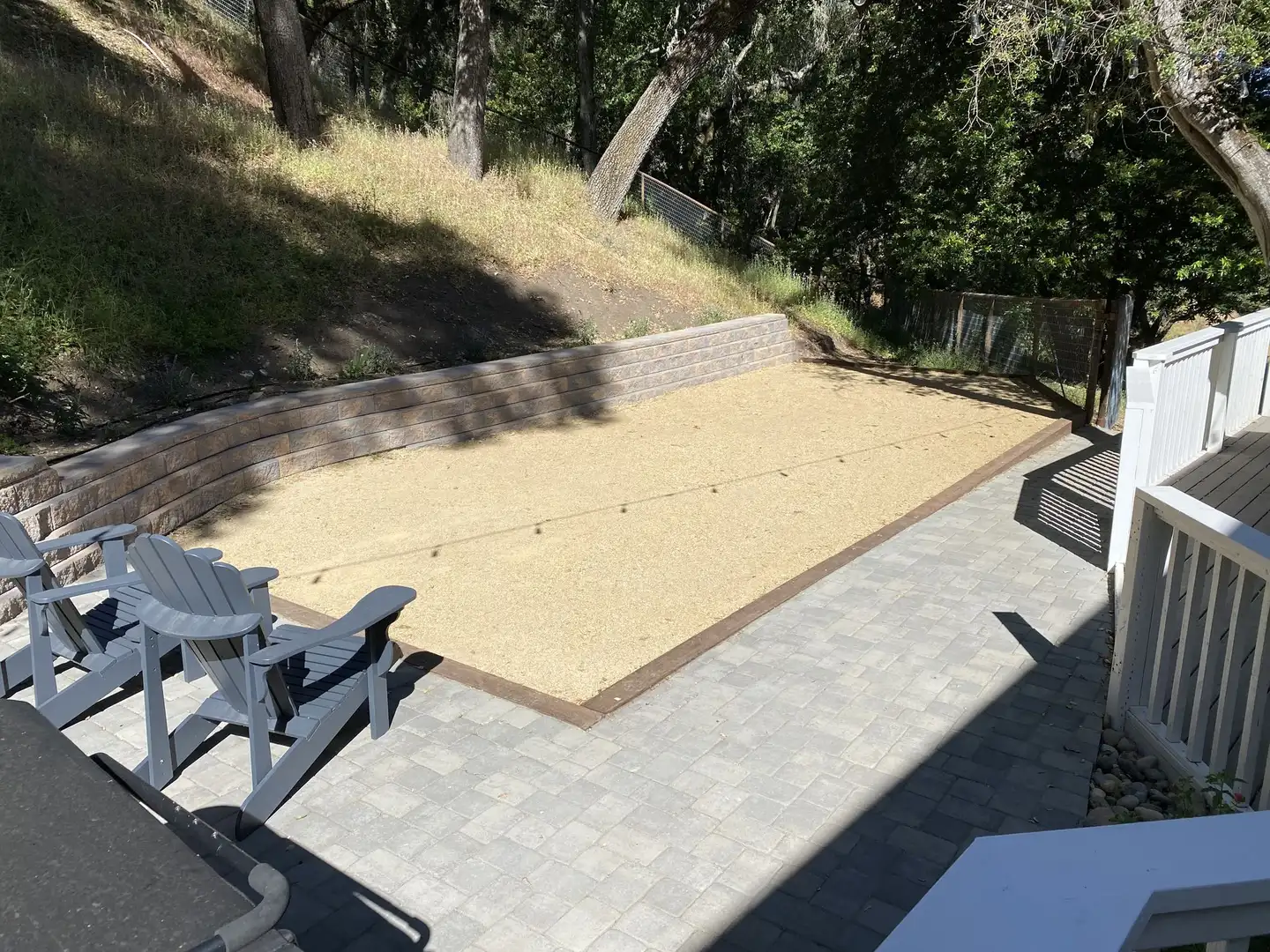
A level yard is the simplest case. On a slope, the patio may need a retaining wall, steps or a seat wall. In unincorporated areas, County Code 19.02.020 exempts retaining walls up to 4 feet from the bottom of the footing to the top of the wall, unless they hold back a surcharge or sit within 3 feet of a property line and retain more than 2 feet of soil. Taller or loaded walls need engineering and a permit, which adds design time and cost. Large cut-and-fill can also trigger a County grading permit above 50 cubic yards.
5. Drainage and Local Rules
- Drainage. Every patio needs to shed water away from the house. Some sites need drains, a gravel trench or a dry creek bed.
- Front-yard limits. In the City of San Luis Obispo, Municipal Code 17.76.030 limits concrete and other impervious surfaces to 40% of a residential front yard, which can push a design toward permeable pavers or planting.
- Stormwater. In County urban areas, permitted projects that create or replace 2,500 square feet or more of impervious surface need a Stormwater Control Plan under 22.10.155.
- HOAs. Communities with architectural review may set colors and materials and ask for plans.
6. Access and Add-Ons
A wide gate and a flat path for a skid steer is faster than wheelbarrowing base through a side yard. Add-ons such as lighting, sleeves for future gas or power, a fire pit, a pergola or patio cover and new planting each add their own line.

Ways to Keep the Cost Down
- Keep the shape simple and use a standard paver with a border accent.
- Plan the patio for level ground first, and add walls only where they earn their keep.
- Combine pavers with gravel or decomposed granite for paths and side areas.
- Build in phases, with sleeves and base work done up front so later phases don't tear up the patio.
How We Price a Patio
We visit, measure, check soil, slope, drainage and access, talk through materials, and give you a written estimate with the scope spelled out. More about our work on the paver installation and patio installation pages, and in San Luis Obispo on pavers in San Luis Obispo.
Where We Work
We price projects across San Luis Obispo County, including Paso Robles, Templeton, Atascadero, San Luis Obispo, Arroyo Grande, Edna Valley, Avila Beach, Cambria and Nipomo. See every community on our service area page.
Frequently Asked Questions
How much does a paver patio cost in San Luis Obispo County?
It depends on size, soil and base depth, the paver, access, and any walls, steps or drainage. We give a free written estimate after a site visit rather than a phone ballpark.
Why do two patios of the same size cost different amounts?
Soil, slope and access change the work. Clay or rock needs more excavation and base, slopes may need walls, and tight access slows every step.
Are permeable pavers more expensive?
They usually need a deeper open-graded base, which adds material and excavation. They can help where front-yard paving limits or stormwater rules apply.
Do I need a permit for a paver patio?
A patio on grade usually doesn't, but walls over the County's 4-foot exemption, walls holding back a surcharge, covered structures and large grading can. Rules vary by city.
Is there a rebate for replacing lawn with a patio?
Most local lawn rebates pay for converting lawn to low-water planting, not paving. Check your water provider; see our lawn replacement and rebates page.
Want a Real Number for Your Patio?
We will measure, check your soil and access, and give you a free written estimate.
Call 805-712-4440 Get a Free Estimate
Paso Robles Landscaping · 1345 Riverside Ave, Paso Robles · Licensed contractor, CSLB #986950 · Serving all of San Luis Obispo County