
Fire-Safe Landscaping in Paso Robles
Paso Robles Landscaping designs and installs fire-safe yards for homes in Paso Robles and the surrounding North County: gravel and stone borders against the house, replanting with open, well-spaced plants, drip conversions, brush and limb clearing, and layouts that make the City's yearly weed abatement simple to keep up. Long, dry summers turn the grass on the east and west side hills gold by early summer, and that dry grass is the fuel the City's ordinance targets. We start with the City's own clearance numbers, add the state's guidance for the five feet nearest the walls, and build a yard that still looks finished. Call 805-712-4440 or use our contact page.
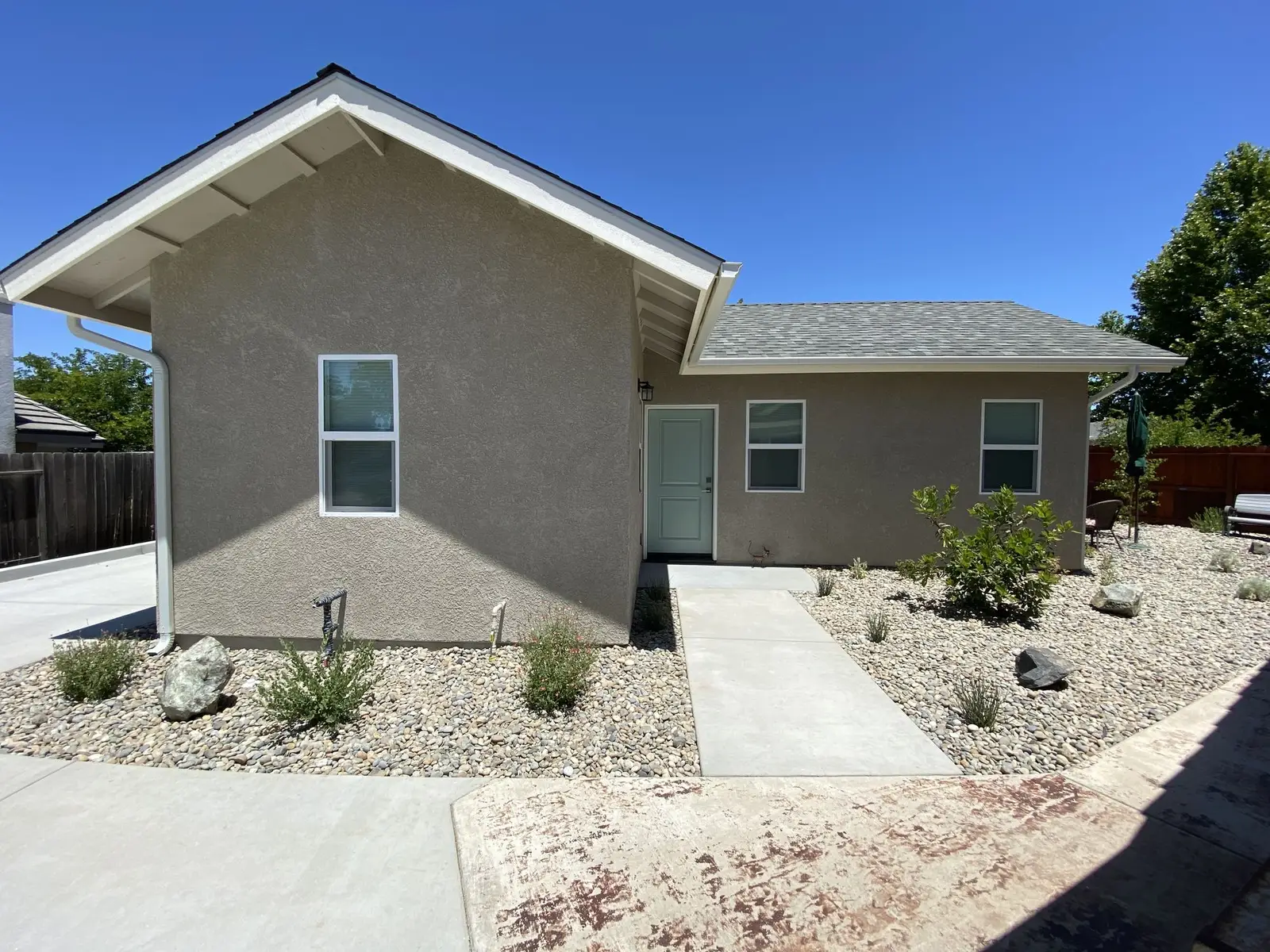
Paso Robles Fire Rules at a Glance
| Topic | What the City or state says | Source (checked Oct 9, 2026) |
|---|---|---|
| Grass and weeds | Mowed or disced to no more than 4 inches, with cuttings removed | PRFES 2026 weed abatement notice |
| Around buildings | At least 100 feet of clearance around all structures | City weed abatement page |
| Lot edges and roads | At least 50 feet wide at the parcel perimeter and from any roadway | City weed abatement page |
| Driveways | At least 10 feet on each side | City weed abatement page |
| Oak trees | At least 50 feet of clearance around oaks | City weed abatement page |
| Zone 0 (first 5 feet) | Not currently required in the City; the state rule package is still not published | City FHSZ FAQ; Board of Forestry |
How the City Ordinance Works
Paso Robles Fire and Emergency Services (PRFES) enforces a weed abatement ordinance meant to cut the fire hazard from plant growth and piled-up combustible debris. Its March 26, 2026 notice said inspections would begin May 12, 2026, and stressed three points that catch people off guard. The rules apply to the whole lot, back yard included, not only what shows from the street. Grass that is still green in spring counts, because it dries later. And parcels must stay clear of hazardous fuels all year, not just at inspection time.
On lots under 10 acres the notice asks owners to mow or disc to 4 inches and remove the cuttings, clear dead leaves, weeds, brush, trees and limbs, and haul away extra trash, wood and other combustibles. There is one useful exception for hillsides: grass and other vegetation more than 50 feet from any structure and under 18 inches tall may stay where it is needed to hold soil on steep slopes. Mowers and other tools used for the work need working spark arresters and mufflers.
For pruning branches on a standing oak inside the City, the weed abatement page directs owners to call the Parks Maintenance Division of Community Services at 805-237-3873 for the requirements first. PRFES (805-227-7560) can also share names of local contractors who do weed abatement and lot clearing.
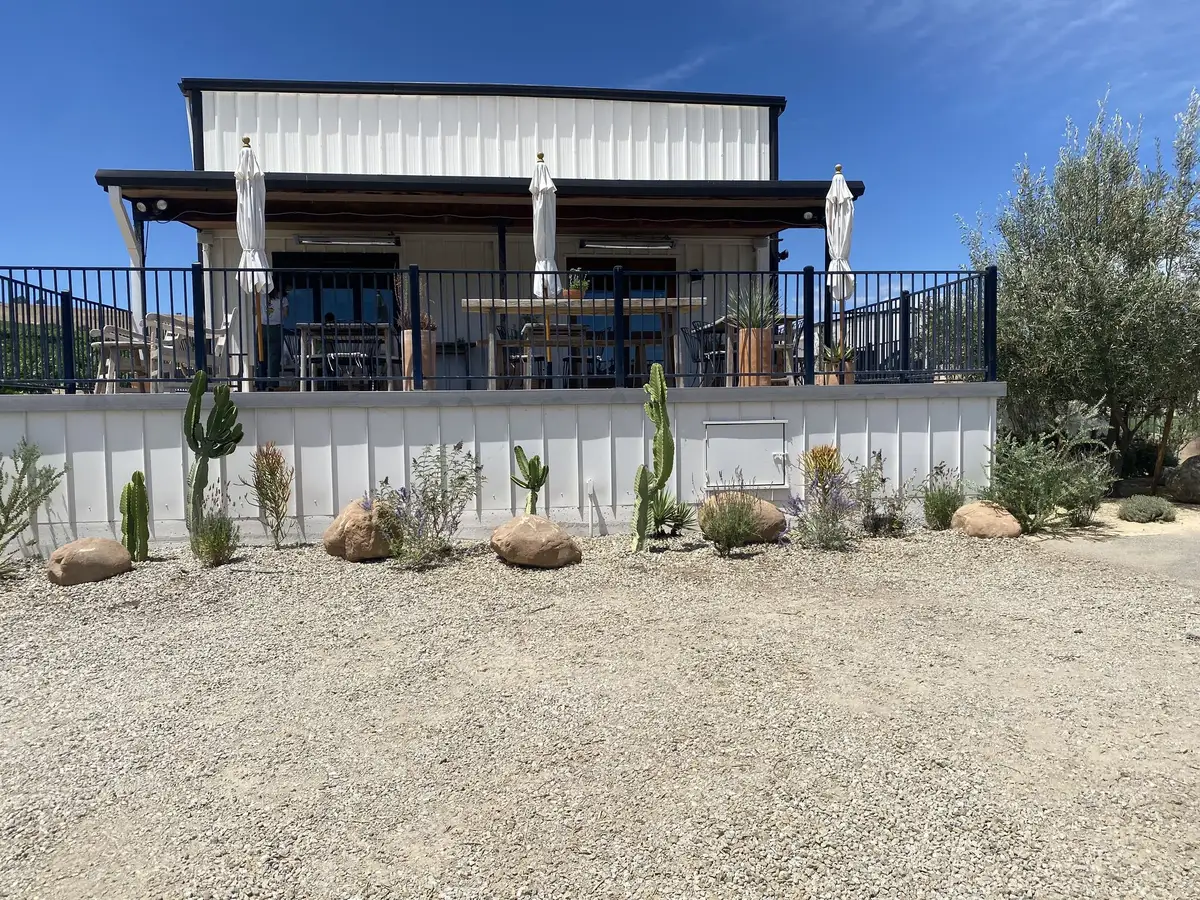
Ranchettes, Vineyards and Lots Over 10 Acres
Bigger parcels follow a slightly different list. Properties over 10 acres keep the same 100, 50 and 10 foot clearances, plus firebreaks wherever the Fire Marshal calls for them. Orchards and vineyards are mowed or disced 50 feet back on both sides of any road. Work under the dripline of an oak may not disturb the soil, which rules out discing beneath the canopy. Fenced pastures where livestock keep the grass down are exempt, and hay or grain may grow until harvest but becomes subject to abatement once it is left standing past that point.
On these properties we focus on the ground nearest the house and outbuildings: a gravel or decomposed granite apron, a mowable edge where landscape meets pasture or vines, and drive edges kept open so a mower can pass in one run.
Where Zone 0 Stands for Paso Robles Homes
The state Board of Forestry and Fire Protection explains that AB 3074 (2020) and SB 504 (2024) amended Public Resources Code 4291 so the Board must set up an ember-resistant zone in the first five feet around a structure, known as Zone 0. On October 9, 2026, the Board's defensible space page still said staff "continue to work with the Office of Administrative Law" on the rule package and will update the page once the Secretary of State publishes the final regulation. The same day, the Office of Administrative Law's queue of pending regulations showed no Zone 0 package. In short, there is no effective date yet.
Locally, the City's Fire Hazard Severity Zone FAQ puts it plainly: "Zone Zero is currently not a requirement within the city of Paso Robles." The same FAQ still encourages owners to get ahead of it:
- Take dry plants, mulch, bark and wooden fencing out of the first five feet around the house and any attached deck
- Use gravel, rock, stone pavers or cement there instead, or low-growing, well-kept plants
- Keep roofs, gutters and decks free of leaves, needles and other debris
- Cut back every branch within 10 feet of a chimney or stovepipe and within 6 vertical feet of the roof
- Keep grass and weeds under 3 inches, and raise tree canopies to 6 feet above the ground
We treat that list as the starting point for the band against the walls, so the yard will need little rework if the state rule takes effect.
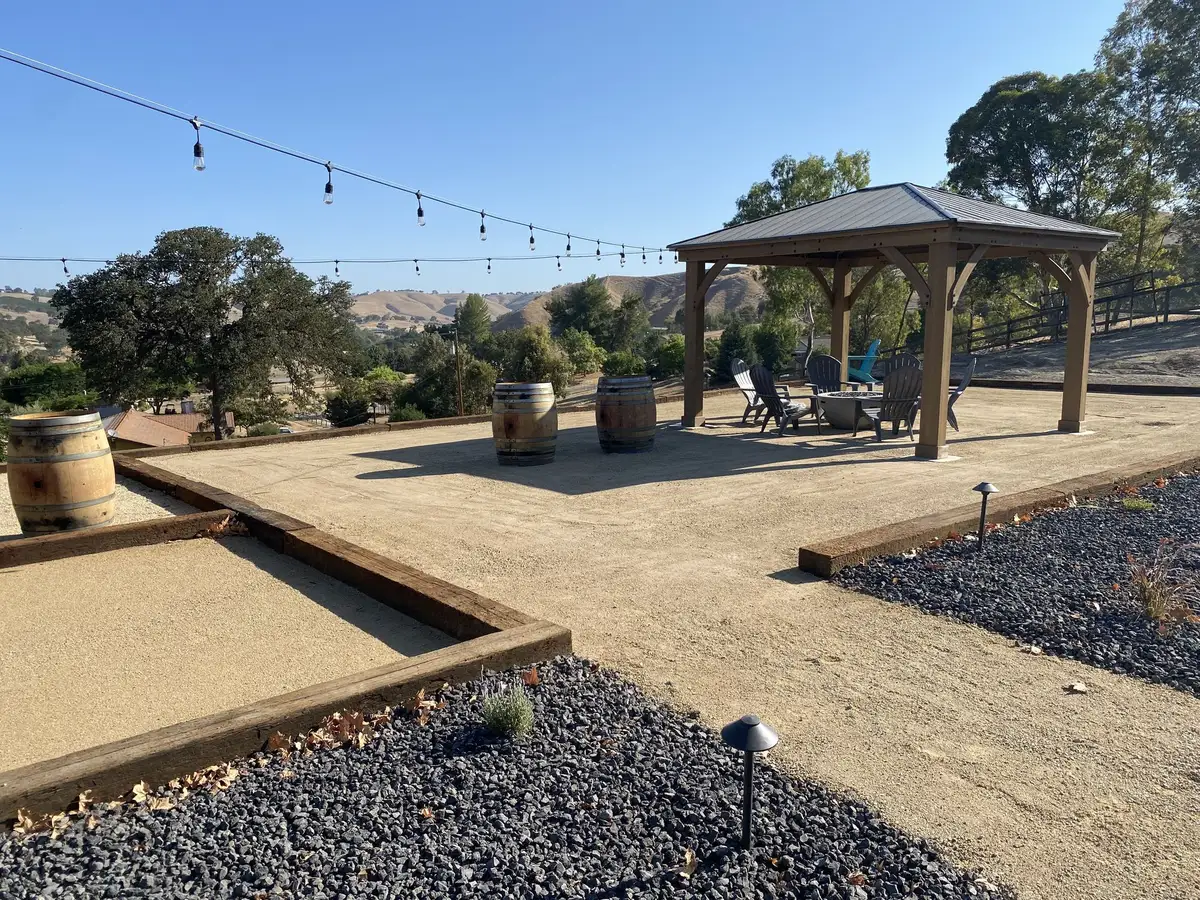
Hazard Zones Inside and Outside City Limits
The City's FAQ notes that inside Paso Robles there are no Very High Fire Hazard Severity Zones, only High and Moderate areas plus land with no zone assigned. State maps were last updated in 2022 and 2023, and they measure hazard from fuel, terrain and weather, not the work an owner has done. The zone still matters: sellers must disclose a High or Very High zone, or a State Responsibility Area, on the Natural Hazard Disclosure report, and insurers may weigh it too.
Homes just past the city limits, out toward Adelaida, Creston or the Estrella plain, are often in the State Responsibility Area, where CAL FIRE has primary responsibility for fire protection. The FAQ points owners to CAL FIRE's SRA viewer and the state hazard zone map to check a parcel. For those homes, the Board of Forestry describes Zone 1 as 5 to 30 feet out, where leaves and needles are cleared from yard, roof and gutters, branches stay 10 feet from chimneys, and nothing flammable is stored under decks or stairs. Zone 2 runs from 30 to 100 feet or the property line, with grass cut to 4 inches and gaps opened between shrubs and trees. In both zones, propane tanks and outbuildings get 10 feet of clearance.
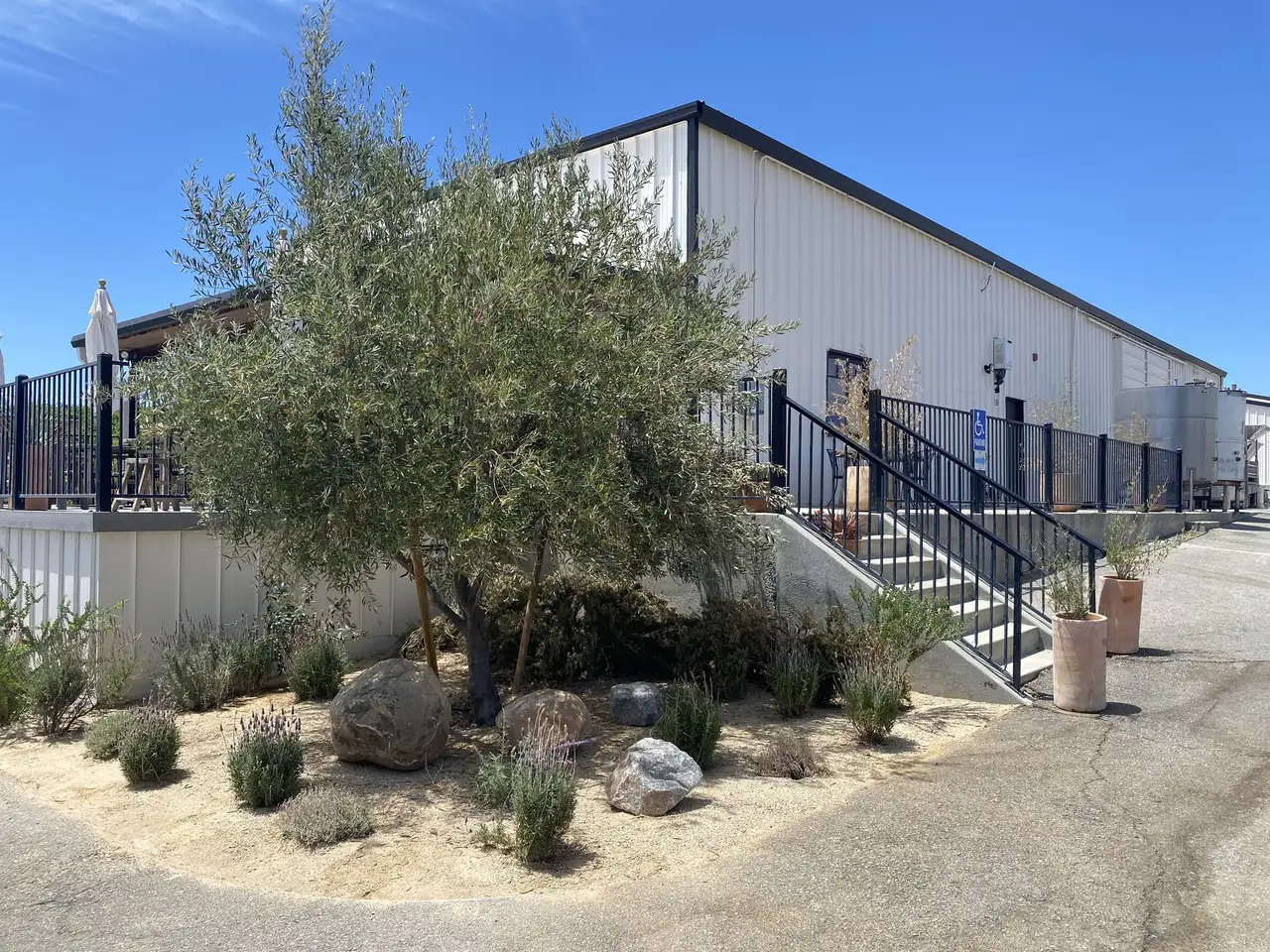
Mulch, Rock and Hardscape Near the House
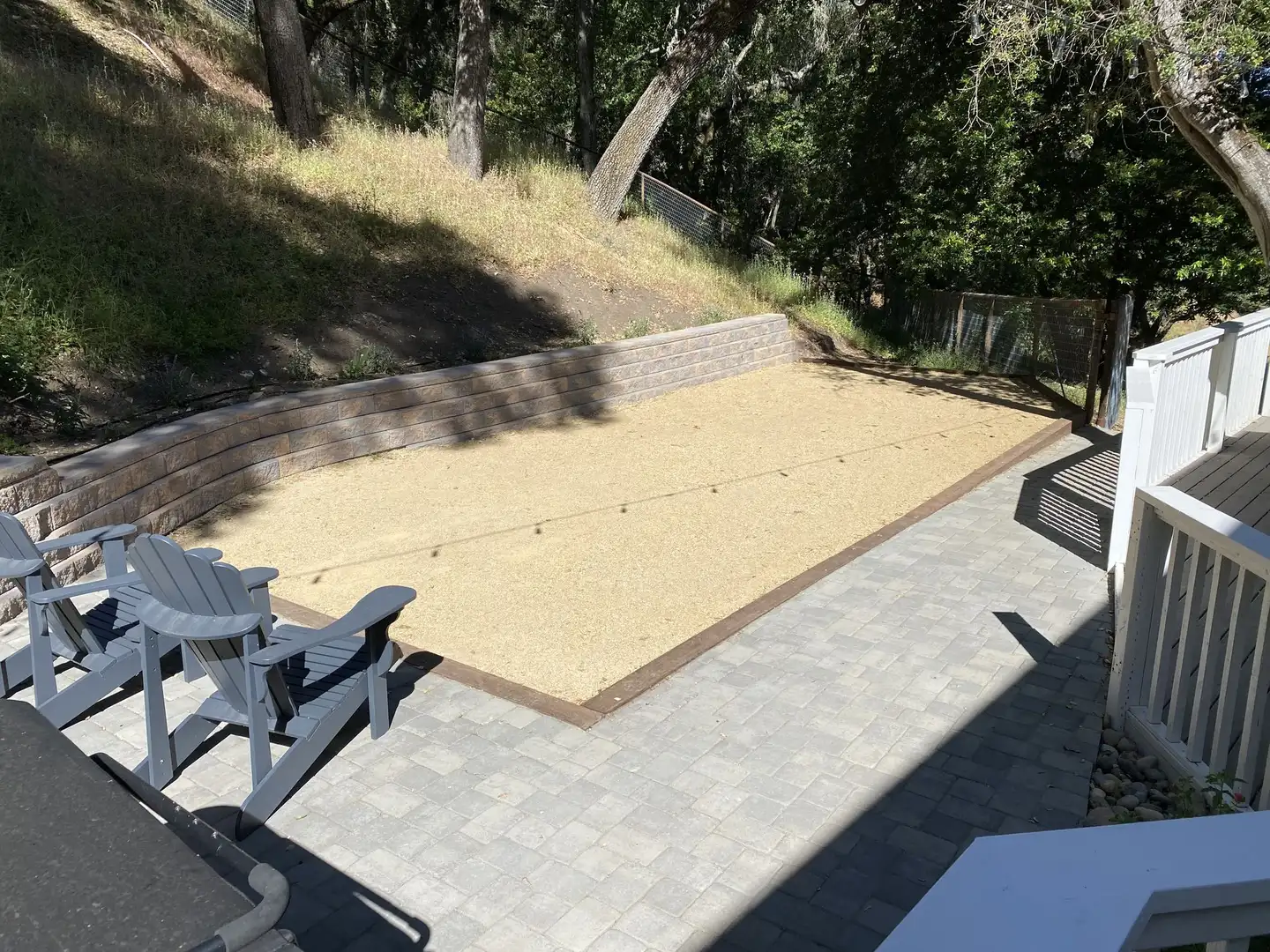
The City's mulch guidance is one of the more specific local resources on this. Within five feet of buildings, siding or decking it calls for inorganic mulch such as decomposed granite, gravel or rock, kept clear of blown leaves, and it does not recommend live plants there even when they are watered. From 5 to 30 feet, large bark nuggets or composted wood chips are acceptable in small batches, alternated with concrete, gravel, rock or lawn rather than laid in one continuous bed. Shredded rubber, pine needles and shredded redwood or cedar bark belong at least 30 feet from the house, citing Fire Safe Marin. The page also warns that watering wood mulch shouldn't be counted on, because water supply and pressure can fail during a fire.
Its noncombustible materials page adds that masonry, gravel or stone walls can separate groups of plants, and that rock, gravel, stepping-stone paths, concrete drives and walks, and retaining walls break up fuel across a yard. That fits how we already build: a gravel or paver band at the foundation, a path or low wall between planting groups, and patios placed where they interrupt a run of shrubs.
Plant Choice and Spacing
The City's plant guidance warns against trusting a "fire-safe" plant list by itself: any plant can burn, and how a plant is watered, pruned and cleaned up matters more than its label. Its examples of plants that need regular thatch removal include juniper, Italian cypress, feather and fountain grasses, and ice plant, while eucalyptus, palms and some manzanitas shed dry bark, leaves or fronds that need cleanup. The spacing page asks for tree branches at least 6 feet off the ground and gives a rule for shrubs under trees: three times the shrub's height between its top and the lowest branch, so a 5-foot shrub calls for 15 feet. On slopes, gaps between plants should be wider.
In practice we replace dense hedges against the house with low, open plants set farther out, keep the irrigated beds compact so they stay green through August, and leave room to walk and rake between groups.
Our Process for a Fire-Safe Yard
A typical project runs in this order. We walk the property with you and mark the 5, 30 and 100 foot distances, along with oaks, slopes and the lot lines that set the City's perimeter strip. Next comes a plan showing what is removed, what stays, and the new rock, paving and planting. Then the work itself: clearing and hauling, pulling bark from the foundation, laying fabric and gravel or decomposed granite, setting pavers or concrete, moving drip lines off the rock band, and planting. Last, we walk the finished yard with you and go over what upkeep the City expects through the year.
We are a landscape contractor, not a fire agency. PRFES and CAL FIRE do the inspections; we build to the published standards and to any notice or inspector comments you share with us.
Fire-Safe Services in Paso Robles
We can take on one part or the whole yard:
- An on-site walk-through, with the 5, 30 and 100 foot rings sketched on a yard plan
- Clearing of brush, dead limbs and debris, hauled off site
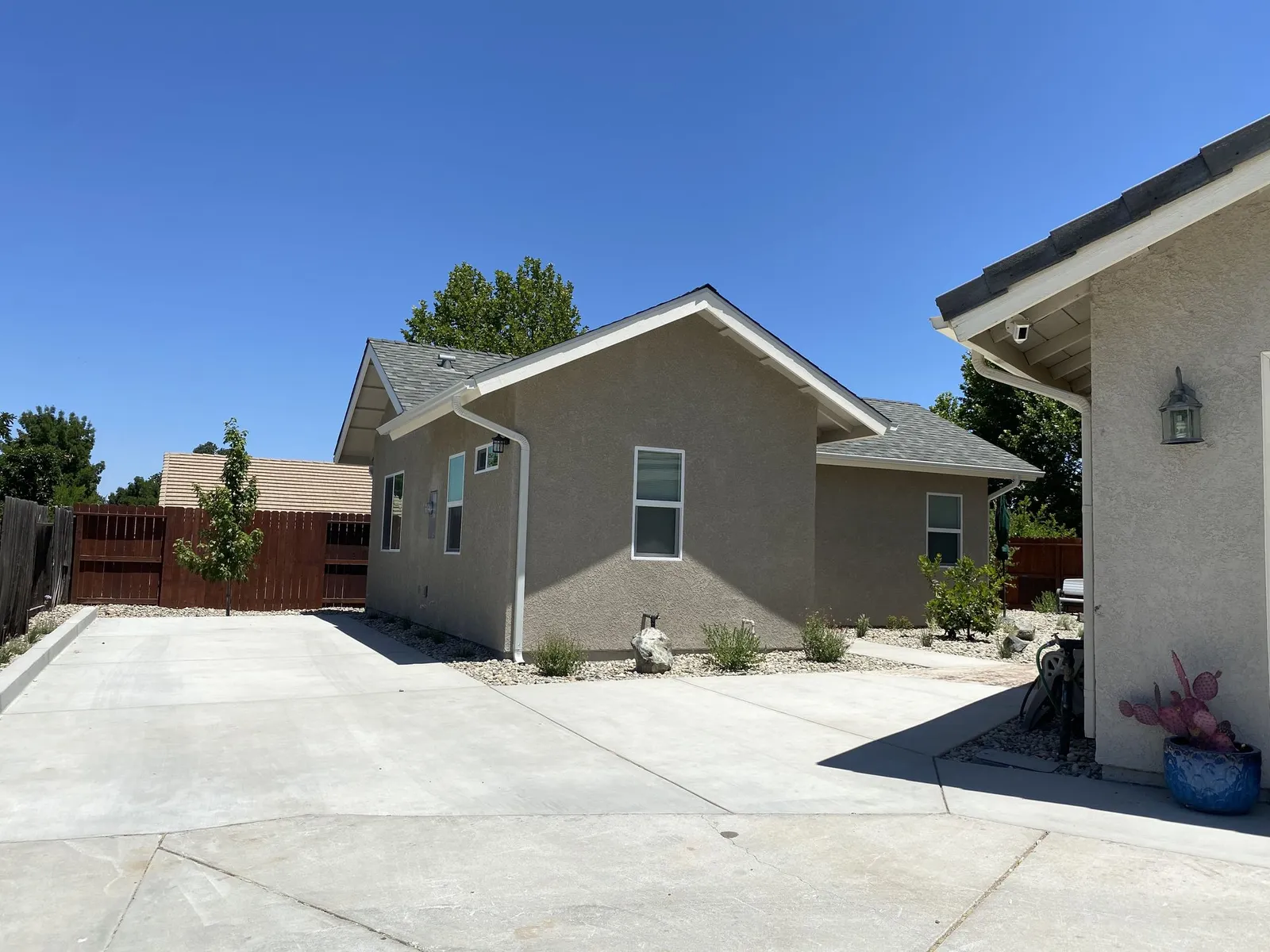
- Decomposed granite, gravel and river rock in place of bark against the house
- Pavers, concrete and flagstone for walks, landings and patio edges
- Masonry and stone walls that divide planting into separate groups
- Drip conversions and controller updates so kept plants stay hydrated
- Replanting with low, open, spaced plants farther from the walls
- Gas fire features on stone or concrete pads with open space around them
More Reading for North County Yards
Related pages on fire safety and North County landscaping:
- Fire-safe landscaping across San Luis Obispo County: the three zones and the Zone 0 draft
- Fire-safe landscaping in Cambria
- Landscape design in Paso Robles
- Hardscape in Paso Robles
- Landscaping in Paso Robles wine country
- Templeton
- Creston
Every town we cover is listed on our San Luis Obispo County service area page.
Frequently Asked Questions
What does Paso Robles require for weed abatement?
Paso Robles Fire and Emergency Services asks owners to mow or disc grass and weeds to 4 inches, remove cuttings and dead brush, and keep at least 100 feet of clearance around structures, 50 feet along the parcel edge and roads, 10 feet beside driveways, and 50 feet around oaks, all year.
Is Zone 0 required in Paso Robles?
Not currently. The City's Fire Hazard Severity Zone FAQ says Zone Zero is not a requirement in the city, and as of October 9, 2026 the state Zone 0 regulations had not been published. The City still recommends clearing combustibles from the first five feet.
Can I use bark mulch next to my house in Paso Robles?
The City's mulch guidance calls for decomposed granite, gravel or rock within five feet of buildings. Bark nuggets or composted chips can be used in small, separated patches from 5 to 30 feet out.
Is Paso Robles in a Very High Fire Hazard Severity Zone?
According to the City's FAQ, there are no Very High zones inside city limits, only High and Moderate areas. Homes outside the city may fall in the State Responsibility Area, so check your parcel on the state maps.
Do you do fire inspections or certify my yard?
No. We are a licensed landscape contractor. Paso Robles Fire and Emergency Services or CAL FIRE handles inspections. We build to the published guidelines and any notes from your inspector.
Ready for a Fire-Safe Yard in Paso Robles?
Tell us about your lot and any abatement notice you have, and we will schedule a free walk-through and estimate.
Call 805-712-4440 Get a Free Estimate
Paso Robles Landscaping · 1345 Riverside Ave, Paso Robles · Licensed contractor, CSLB #986950 · Serving all of San Luis Obispo County