
Yard Drainage in Morro Bay
Our crews at Paso Robles Landscaping design and build yard drainage for houses in Morro Bay: downspout lines, swales, rain gardens, dry creek beds, catch basins, subdrains and the grading that ties them together. Morro Bay has its own city government, so its Public Works Department maintains the public storm drains and streets, its Community Development Department handles planning, coastal and building permits, and its Municipal Code says what may and may not flow into a gutter. We build everything on your side of the property line and shape it so the City side works too. For a visit, call 805-712-4440, or send a note through our contact form.

This page is only about moving water. Poured driveways, walks and patio slabs in town are on concrete flatwork in Morro Bay, and planting and general yard work are on landscaping in Morro Bay. Owners just north of town can also look at landscaping in Cayucos.
Morro Bay Drainage Rules at a Glance
Every row comes from a City of Morro Bay document we read on October 23, 2026. Use the right-hand column to open the source.
| Topic | What the City document says | Source |
|---|---|---|
| Pipes through the curb | Any work in the public right of way, including a drain outlet in the curb, requires an encroachment permit issued by the Engineering Division | Engineering Division page |
| Licensed for street work | Standard permits go to a Class A contractor, or to one whose State license class the City Engineer signs off on | Working within the City Right of Way |
| Curb outlet drawings | Drawing C-6 covers outlets for pipes larger than 6 inches; C-7, the sidewalk thru-drain, is only for spots the City Engineer approves ahead of time | Standard Drawings C-6 and C-7 |
| Stormwater threshold | Adding or rebuilding over 2,500 sq. ft. of impervious area brings in post-construction stormwater controls | Stormwater Management page |
| Runoff design proof | Projects over that line need a project engineer to stamp a certification listing the low impact design steps used | EZ Manual, Requirement No. 1 |
| Peak flows | Non-exempt projects over 2,500 square feet keep peak runoff within 5 percent of natural conditions for 10- to 100-year storms | EZ Manual, Requirement No. 5 |
| What may reach a storm drain | Only rainwater, plus listed flows such as footing drains and lawn watering when free of pollutants; illicit connections are banned | Ordinance 567, MBMC 14.48 |
| Bluff faces | No drainpipes on a coastal bluff face when the lot has a feasible way to send water elsewhere | Zoning Code 17.14.100.C.4 |
| Creeks and wetlands | Sensitive habitat buffers run 100 feet from wetlands and at least 50 feet from streams and riparian areas | Zoning Code 17.14.080 |
| Flood zone check | Public Works will tell you, at no charge, whether a parcel sits in a FEMA Special Flood Hazard Area | Flood Preparation page |
Drainage Tools We Use on Morro Bay Lots
Most wet-yard problems we see come from roof water landing too close to the house, a patio that tips the wrong way, or a slope that sends a neighbor’s runoff across the yard. The fixes below are usually combined, starting with the simplest one that solves the problem.
- Regrading soil so it falls away from the house before any pipe is laid, often the simplest fix and the one that lasts
- Downspout extensions and splash blocks that carry roof water several feet out from the foundation before it touches soil
- Dispersion strips, where a downspout or patio edge spills onto a wide band of planting or mulch and soaks in a little at a time
- Shallow rain gardens and bioretention beds planted with species that tolerate a wet winter and a dry summer
- Dry creek beds of cobble and river rock that give a seasonal flow path a defined, good-looking channel
- Permeable pavers, gravel and decomposed granite swapped in for solid paving where a path or parking pad allows it
- Catch basins and area drains at low spots, joined by solid pipe with cleanouts so the line can be flushed
- Perforated subdrains wrapped in filter fabric behind retaining walls and along footings that stay damp
- Rain barrels and cisterns on downspouts, holding winter water for garden use later
Soil can change from one lot to the next, so we dig a test hole and time how fast it drains before we size a rain garden or any bed meant to soak water in. If water sits for days, the plan shifts toward surface flow and pipe to an approved outlet instead of infiltration.
Where Runoff Goes After It Leaves Your Lot
Public Works’ public education page puts it plainly: driveways, sidewalks and streets keep rain from soaking in, and whatever enters a storm drain reaches creeks, the bay and the ocean without treatment. That is why the Stormwater ordinance (Ordinance 567, which set up Municipal Code Chapter 14.48) bars anyone from sending pollutants into the storm drain system, and treats material that is placed, blown, washed or tracked where rain can carry it as a prohibited discharge.
Section 14.48.090 lists flows the City does not count as pollution when they are properly managed and carry nothing harmful, among them landscape irrigation, lawn watering, foundation and footing drains, water pumped from crawl spaces, air conditioning condensate and dechlorinated pool water. Section 14.48.100 prohibits illicit connections to the storm drain or sewer, including old ones that were legal when made. The City’s illicit discharge page adds that such hookups are often unknown to the owner. When we open up an old yard and find a mystery pipe running to the street, we trace it before deciding what to tie into it.
Curb Outlets and Sidewalk Drains
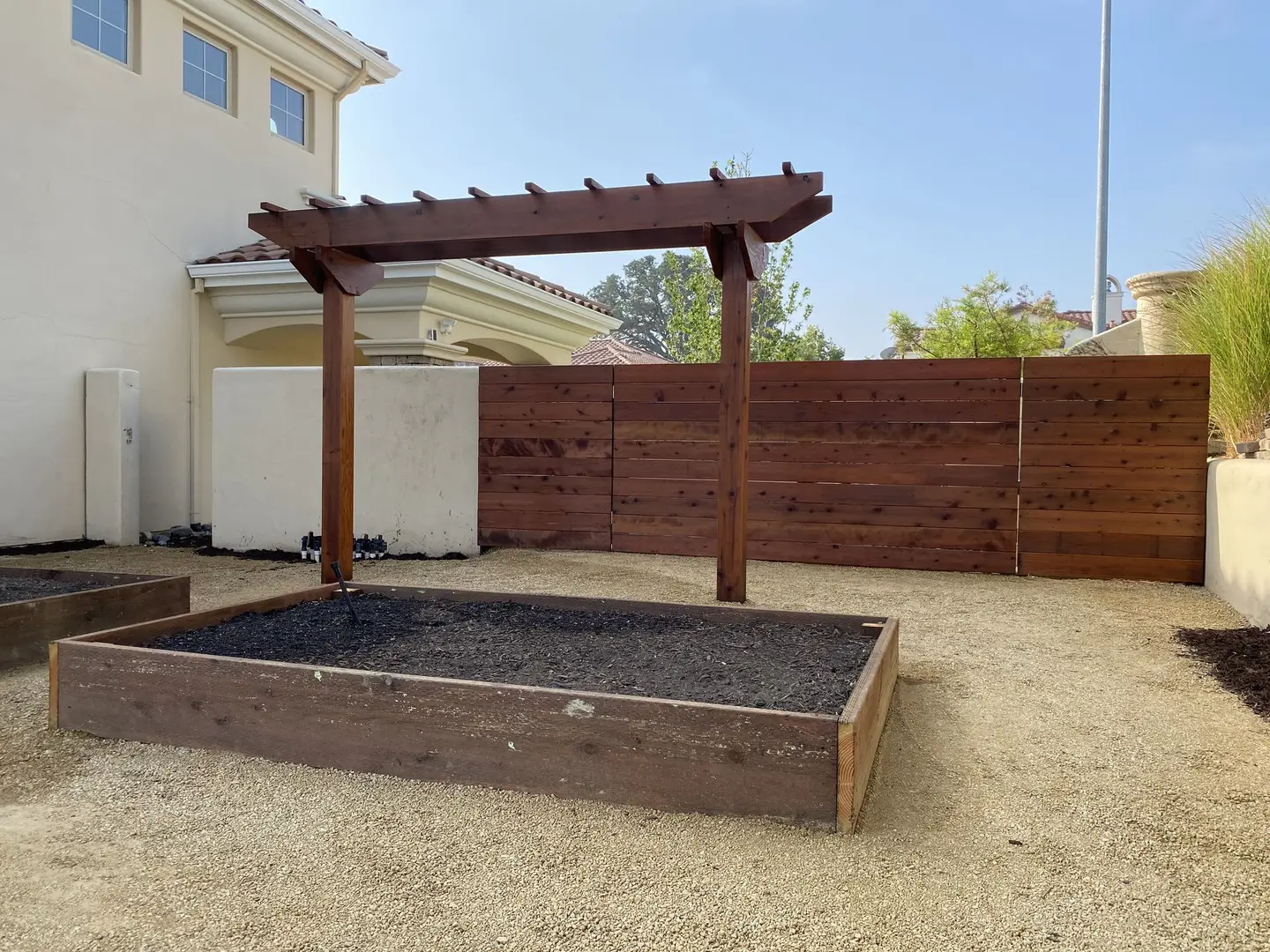
On many lots the cleanest answer is a solid pipe from the back yard to the curb. Morro Bay’s Standard Drawings and Specifications include two details for that last stretch. Drawing C-6 shows a curb outlet for pipes larger than 6 inches. Drawing C-7 shows a sidewalk thru-drain for 6 inches or less, and its notes say the structure is limited to locations the City Engineer has approved in advance, the concrete must reach 3,000 psi at 28 days, and the outlet floor is trowel finished. Section 6 of the specifications adds that public drainage facilities belong in a street or a dedicated drainage easement, and that an easement for a closed pipe is at least 10 feet wide.
A pipe through the parkway and curb crosses public street land, so it starts with the Engineering Division. The 2024 encroachment application requires an exhibit of the scope, a traffic plan, insurance naming the City and a local business license; a live 811 ticket; notice to the inspector 48 hours ahead at 805-772-6232; the permit kept on site; drainage cared for during the work; and any disturbed street area restored and maintained for a year afterward. Engineering answers at encroachment@morrobayca.gov or 805-772-6285.
Where our part ends: We build the private side as far as your property line: the grading, inlets, pipe, cleanouts and any rain garden or dry creek. The parkway trench, curb core and outlet are permit items for a contractor licensed in Class A, or in a different class the City Engineer signs off on. We set our pipe at the depth and slope that contractor needs and plan both schedules together.
When a Remodel Triggers Stormwater Controls
Public Works’ Stormwater Management page draws the line at over 2,500 square feet of new or rebuilt impervious area, and points single-family homes to the shorter EZ Manual. The EZ Manual explains how the total is counted:
- Roofs, walks, patios, driveways and other hard surfaces that are new or rebuilt all count; existing paving you leave alone does not.
- A sidewalk or new paving in the City right of way that the code requires is added to the total.
- Pervious paving, gapped pavers and similar manufactured permeable surfaces may be counted as pervious, decided case by case.
- A deck with gaps over soil is not treated as impervious.
- Beneath that 2,500-square-foot mark no stormwater requirements apply, and repaving in kind, crack sealing, curb and gutter replacement alone and walks that drain to planting are on the exempt list.
The owner files a Performance Requirement Determination Form with the Planning application. Past the threshold, Requirement No. 1 asks the project engineer to certify low impact steps such as sending roof water to cisterns or rain barrels, directing roof, walkway, patio and driveway runoff onto planting away from footings, and building walks, patios and drives with permeable surfaces. Requirement No. 5 adds peak flow control backed by a hydrology analysis, with an exemption for areas that cannot flood anything downstream, such as projects on the west side of the Embarcadero draining straight to the bay. A preliminary Stormwater Control Plan goes with the Planning permit and the final one before the Building permit, and structural measures come with an operation and maintenance plan.
For most back-yard drainage jobs none of this applies, because nothing new is paved. When it does, we follow the engineer’s plan and keep the rain gardens, pervious paving and downspout routing exactly where the plan puts them.
Bluff-Top and Shoreline Lots
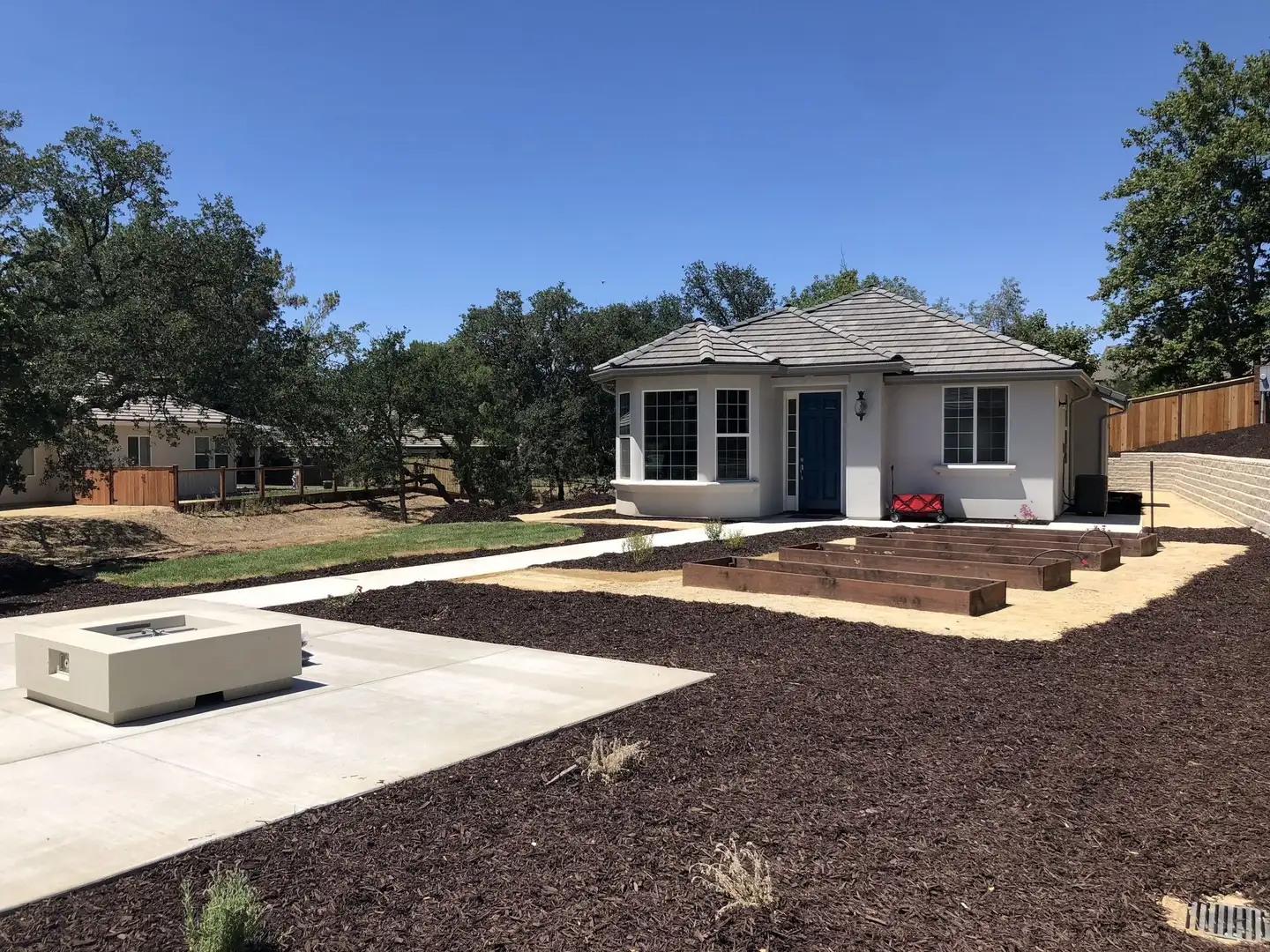
Water and coastal bluffs do not mix. Section 17.14.100 of the Zoning Code and Local Coastal Program Implementation Plan has the City screen permit applications for hazards over a 100-year time frame, including bluff erosion, unstable slopes and flooding, and asks for a hazards report from a qualified geologist or engineer when a site is in, or 100 feet or less from, a mapped hazard area. A geologic report for a bluff or beach lot has to look at how landscaping and drainage design affect stability.
The same section is specific about drainage. No development is allowed on a bluff face, drainpipes are allowed there only when no less damaging drain system is feasible, and nothing that carries water over the face is allowed at all when the lot has a feasible route that drains away from it. New development sits back at least 20 feet from the bluff edge, the setback is planted with drought-tolerant landscaping, and erosion control has to follow the City’s grading standards. On these lots we send roof and yard water toward the street side, water sparingly close to the edge, and build nothing in the setback that a geologist has not signed off on.
Creeks, Wetlands and Habitat Buffers
Section 17.14.080 protects environmentally sensitive habitat with buffers: at least 100 feet measured out from a wetland’s edge, and at least 50 feet from streams and riparian vegetation. Where a smaller buffer is allowed, the code requires site drainage to be checked so the habitat is not cut off from its water, stormwater to stay free of sediment and pollutants, and native plants between the habitat and the development. Buffers are kept in native vegetation only.
The City’s flood preparation page adds a practical point for creekside owners: outside parks and road crossings the City does not own creek property, fallen trees and debris on private creek banks are the owner’s responsibility, and removing them needs a permit from the California Department of Fish and Wildlife and any other agency involved. Any outlet or dry creek near a bank goes to Planning (805-772-6577) before we design it.
Flood Zones and Storm Preparation
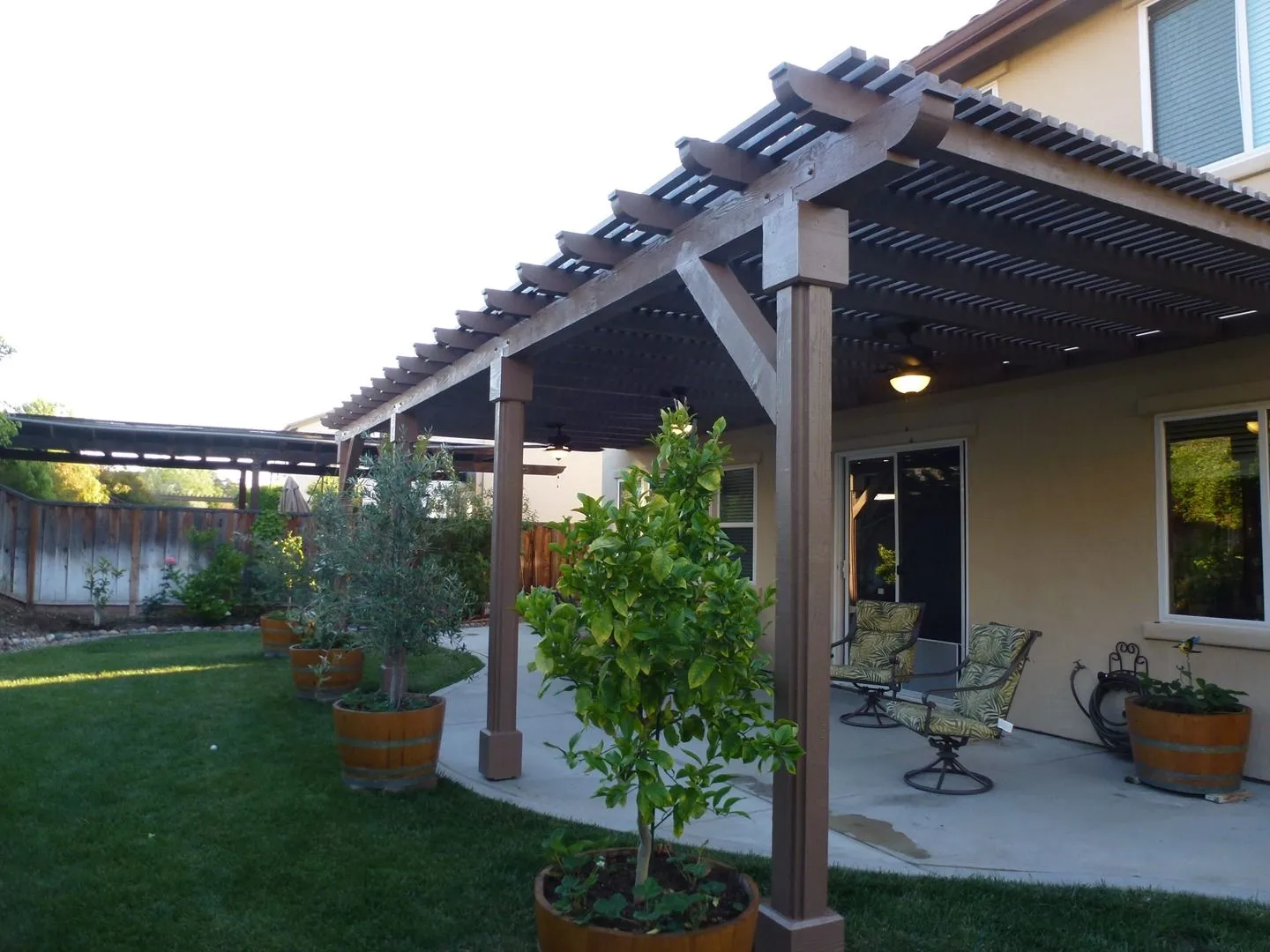
Morro Bay takes part in FEMA’s National Flood Insurance Program. As a public service, and at no charge, Public Works will say whether a property is inside the Special Flood Hazard Area on the current flood map, share the map zone, base flood elevation or floodway where shown, provide elevation certificates on file, and pass along flood risk not shown on the map or nearby wetland information. Call 805-772-6215 with the address and legal description.
The same page offers storm-season advice that lines up with our work: clean gutters and downspouts, add a downspout extension to carry water away from the foundation, and keep leaves out of street drains by using the green waste bin. The City provides free sand for residents to fill their own sandbags across from the treatment plant at 170 Atascadero Road, and major flooding can be reported to Public Works at 805-772-6261.
Erosion Control While We Dig
The City manual for erosion and sediment control plans allows a standard plan for grading or clearing of half an acre or less, with slopes below 15 percent, at least 100 feet away from any blue-line stream; a detailed plan is needed for anything larger, steeper or more sensitive, and over an acre the State construction permit applies. The City’s construction brochure asks that controls be in place from October 15 to April 15 and ahead of predicted storms, with gravel or sand bags ringing storm inlets, silt fence or fiber rolls laid along the contour, and no straw bales.
For our crews that translates into trenches backfilled the same day where possible, spoil piles covered, the nearest street inlet protected, and fresh soil mulched or planted before rain.
Water Rules That Shape a Drainage Job
Moderately Restricted is the supply level shown today on the City’s conservation webpage. The Water Shortage Contingency Plan says that stage bars watering landscapes between 10 a.m. and 4 p.m. and the use of water to clean driveways, patios and sidewalks, and earlier-stage rules already forbid irrigation that causes excessive gutter runoff. So we test new drain lines with short, controlled runs that end in planting rather than the street, and we adjust sprinklers so they stop feeding the problem we were hired to fix. For rain garden plants, the City links a bioretention plant palette guidebook from the Central Coast Low Impact Development Initiative.
Call 811 First
Drain trenches often run close to gas, water, sewer and power lines. The Contractors State License Board explains that excavators must notify the regional one-call center ahead of any excavation, and the City treats a street permit as invalid unless the 811 ticket is live. We call for every job and hand-dig near the marks.
How a Morro Bay Drainage Project Runs
- Wet-weather look. We note where water stands, where downspouts land, how the lot falls, and whether a bluff, creek, wetland or flood zone is close.
- Soil and grade check. A test hole for soak rate, spot elevations from the house to the low point and the curb, and existing pipes located.
- Drainage sketch. A plan showing each flow path, what stays on site, what heads to an approved outlet, and which pieces need City permits.
- Coordination. If a curb outlet is needed, the permit holder gets our invert and slope; if hard surfaces pass 2,500 square feet, we work from the engineer’s plan.
- Build. Grading first, then inlets, pipe, cleanouts and subdrains, then rock, planting and mulch, with erosion controls up the whole time.
- Water test and handoff. A short flow test into planting, then a sketch of where every line runs and how to flush it.
City of Morro Bay Contacts
- Curb outlets and street permits (Engineering Division): encroachment@morrobayca.gov or 805-772-6285.
- Public Works inspector (48 hours ahead): 805-772-6232.
- Flood map questions: 805-772-6215.
- Public Works, storm drains and major flooding: 805-772-6261; 955 Shasta Avenue.
- Planning Division (coastal permits, bluff and habitat questions): 805-772-6577.
- Building Division (permits and inspections): 805-772-6267.
- Before digging: call 811.
License: CSLB #986950. This guide condenses Morro Bay city and California state documents into plain language so you can plan ahead; it is not legal, engineering or geologic advice, and nobody on our crew works for the City or holds an engineering or geology license. Permits, flood maps, coastal decisions and stormwater calls belong to the City, and a licensed engineer or geologist designs any part of a job that needs one. Where the documents leave a question open, we ask the City in writing before building.
Other Estero Bay and Drainage Guides
Drainage guides for other towns, and more pages for homes around Estero Bay:
- Cayucos landscaping
- Cayucos drainage
- Grover Beach drainage
- Oceano drainage
- Concrete flatwork in Morro Bay
- Morro Bay landscaping
- Avila Beach drainage
- Pismo Beach drainage
- Grover Beach concrete flatwork
- San Luis Obispo drainage
- Atascadero drainage
- Retaining walls
- Paver installation
The full list of towns we work in, grouped by region, sits on our areas we serve page.
Frequently Asked Questions
Is it okay to pipe roof water out to the street in Morro Bay?
Rainwater itself may reach the storm drain, but the pipe through the parkway and curb sits on public street land, so the Engineering Division (805-772-6285) has to issue an encroachment permit. The City has standard details for it: drawing C-6 for pipes larger than 6 inches and C-7, a sidewalk thru-drain, only where the City Engineer approves in advance. Often the simpler route is spreading roof water into planting on your own lot.
Do you install the curb outlet too?
No. We build the drainage on your side of the property line and stop there. The parkway and curb work goes to a contractor licensed in Class A, or in another State class the City Engineer signs off on, under that contractor’s own permit. We give them our pipe depth and slope so the two pieces meet.
Will a drainage project need a stormwater plan?
Usually not. Morro Bay’s stormwater controls kick in once a project adds or rebuilds over 2,500 square feet of paving and roof. A drainage job that adds little or no paving stays under that line. Bigger remodels need an engineer’s certification and possibly peak flow control under the EZ Manual.
Can I run a drain line down the bluff behind my house?
Generally no. Zoning Code 17.14.100 bars drain devices over a coastal bluff face whenever another route away from the face is feasible, and allows drainpipes on the face only when no less damaging option is feasible. On bluff-top lots we route water toward the street and check with Planning and a geologist first.
How do I find out if my lot is in a flood zone?
Call Morro Bay Public Works at 805-772-6215 with the address and legal description. They will say, at no charge, whether the parcel is in the Special Flood Hazard Area and share the map zone and any elevation certificate on file.
Planning Drainage Work in Morro Bay?
Tell us where water collects or which way the yard falls. We visit, trace where the water goes, sort out which City steps likely apply, and send a written estimate at no charge.
Call 805-712-4440 Get a Free Estimate
Paso Robles Landscaping · 1345 Riverside Ave, Paso Robles · Licensed contractor, CSLB #986950 · Serving all of San Luis Obispo County