
Yard Drainage in San Luis Obispo
Inside San Luis Obispo city limits we hold rainfall on the lot when soils allow: re-contour beds so water falls clear of the house, convey roof outlets underground into soakage plantings, shape rock runs and swales, convert sealed paving to permeable surfaces, and lock fresh cuts before winter arrives. The City’s Central Coast Post-Construction Requirements plus Municipal Code Chapter 12.08 govern stormwater quality; Building & Safety and Public Works handle grading and permits. Reach us at 805-712-4440 or through the contact form to book a site visit.
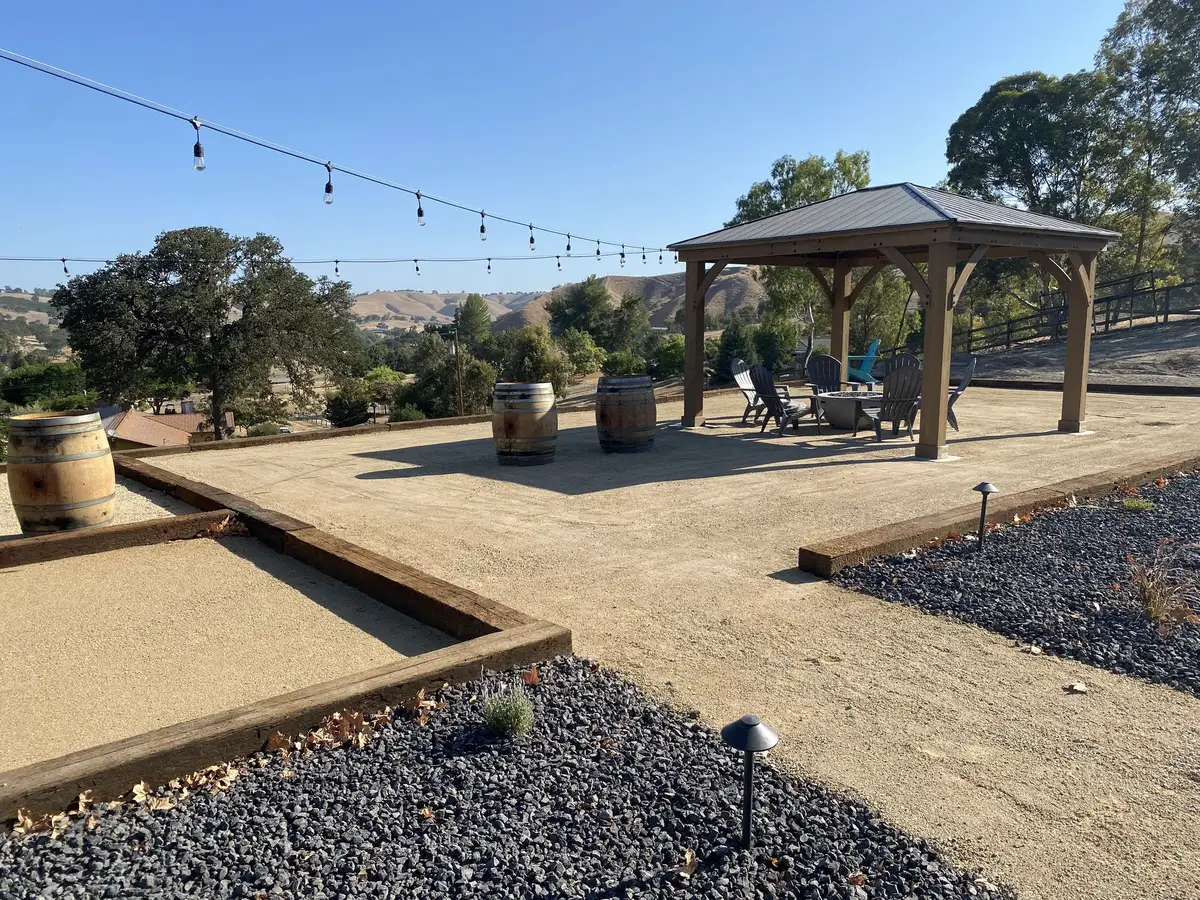
City Rules at a Glance
| Topic | How it works inside SLO city limits | Checked Oct 14, 2026 |
|---|---|---|
| Stormwater Control Plan | Filed so staff can see PCR compliance level or confirm exemption | City PCR stormwater page |
| Permeable pavement | Recognized SCM type with a dedicated inspection form | City PCR stormwater page |
| Illegal discharges | MS4 takes stormwater only; pollutants and water-waste runoff banned | Municipal Code 12.08.090 |
| Code exceptions | Foundation/footing drains, incidental landscape runoff, residential car washing, dechlorinated pool water (limits apply) | Municipal Code 12.08.100 |
| Erosion paperwork | Erosion and sediment control plan ahead of grading or building permit | Municipal Code 12.08.150 |
| One-acre threshold | CGP enrollment (NOI + SWPPP + WDID) when disturbance meets the state trigger | Municipal Code 12.08.150 |
| City contacts | Building & Safety 805-781-7180; stormwater field line 805-781-7419; main desk 805-781-7100 | City permit forms page |
Why City Lots Stay Wet
San Luis Obispo sits high in the San Luis Obispo Creek watershed. Older flat parcels, hillside pads and tight neighborhoods all push runoff toward creeks and, eventually, the ocean. Storm drains here skip the treatment plant. The City’s resident pollution-prevention page states that anything reaching a storm drain travels untreated to creeks, the lake and the ocean. A yard that tips gutters into the curb, or a patio poured flat against stucco, becomes both a building issue and a water-quality issue.
Patterns that show up often: mulch piled against stucco, one overloaded roof corner that ponds in storms, sheet flow from the high neighbor with nothing to catch it, irrigation that soaks the sidewalk all season, and sealed concrete that funnels everything to the curb. Chapter 12.08 treats pollutant-bearing water and water-waste runoff as illegal discharges; incidental landscape runoff is allowed, while excess runoff falls under the City’s water chapter.
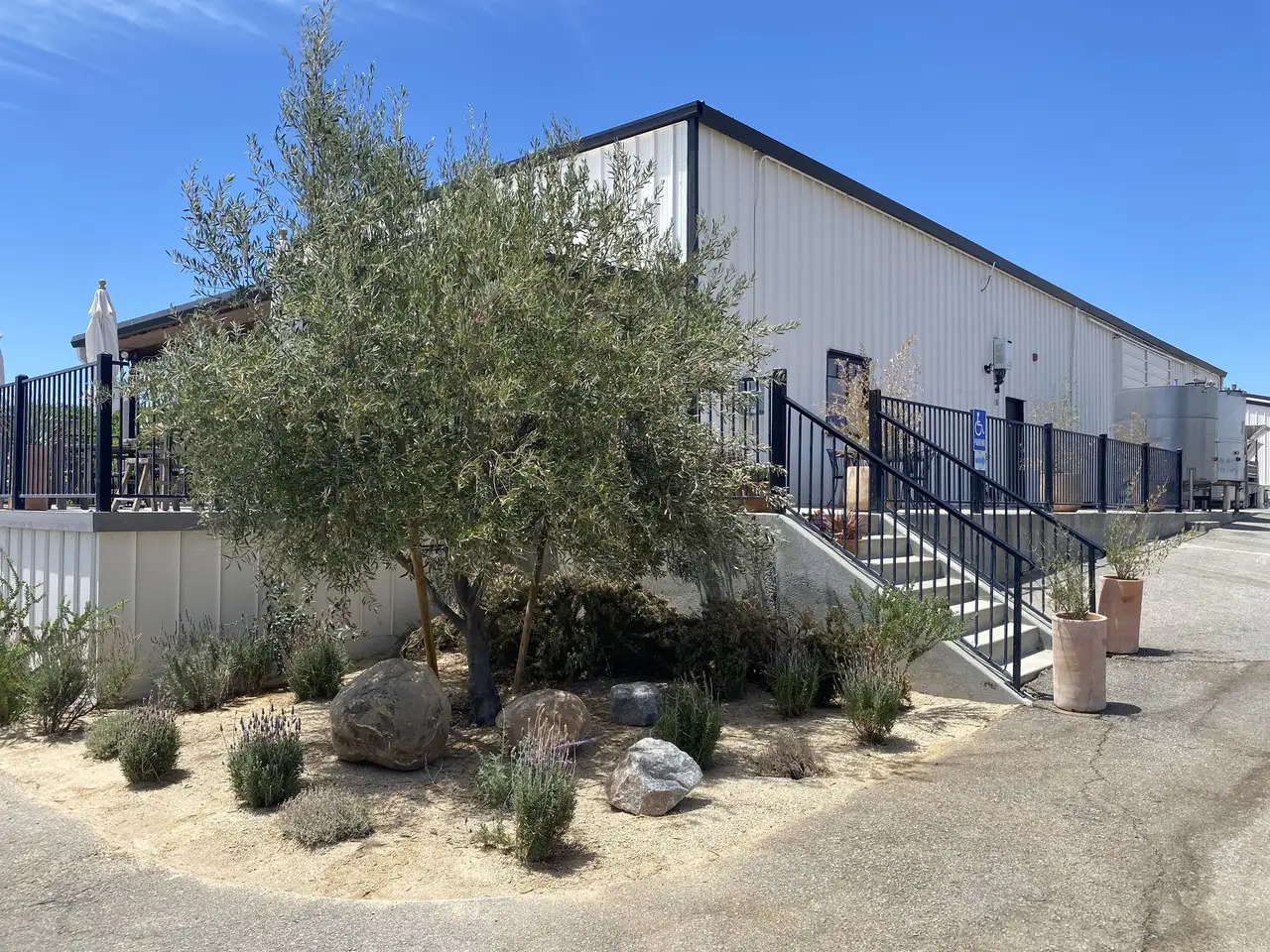
Central Coast Post-Construction Requirements
The City’s Stormwater Post-Construction Requirements page spells out the Central Coast PCR aim: put stormwater back into the groundwater basin, improve water quality and hold more volume on or near the developed site. Projects must file a Stormwater Control Plan so staff can see the compliance level or confirm an exemption. An online SWCP template is available, along with a Flood/Stormwater map showing Water Management Zones, Urban Sustainability Areas and Groundwater Basin layers.
Listed stormwater control measures include basins, infiltration features, vegetated features, subsurface features, filtration devices and permeable pavement, each with a self-inspection form. Work that triggers Performance Requirements 2, 3 or 4 needs a pre-construction meeting with the Stormwater Code Enforcement Officer at 805-781-7419 before ground is broken. SCM verification inspections are booked through InfoSLO or that same number with at least 48 hours’ notice. Private systems file annual SCM self-inspections in InfoSLO by June 15.
Many house-scale repairs stay under the heavier PCR tiers, but a large patio, driveway or full-yard rebuild can open a SWCP conversation. We confirm that early so paperwork sits in the bid, not as a mid-job surprise.
Municipal Code Chapter 12.08
Section 12.08.090 bars discharging pollutants or pollutant-bearing waters into the storm drain system other than stormwater, including water-waste runoff defined in Section 13.07.020(B). An illegal discharge is assumed when prohibited material is washed, tracked or left where the MS4 can carry it.
Section 12.08.100 names non-stormwater discharges that stay legal when pollutant controls exist. For yard work the useful ones are foundation drains, footing drains, incidental landscape runoff, individual residential car washing and dechlorinated swimming pool discharges. Anything beyond incidental landscape runoff is controlled under Chapter 13.07. Resident guidance still prefers sending pool water to the sanitary sewer when possible; water that reaches the street must be dechlorinated and free of pollutants.
Section 12.08.150 requires an erosion and sediment control plan before a grading or building permit issues. Projects that disturb one acre or more of soil, or less than one acre inside a larger common plan, must enroll in the Construction General Permit and obtain a WDID number with an NOI and SWPPP. New development and redevelopment design standards for volume, rate and pollutant load ride along in land-use and building permits unless the director waives them.
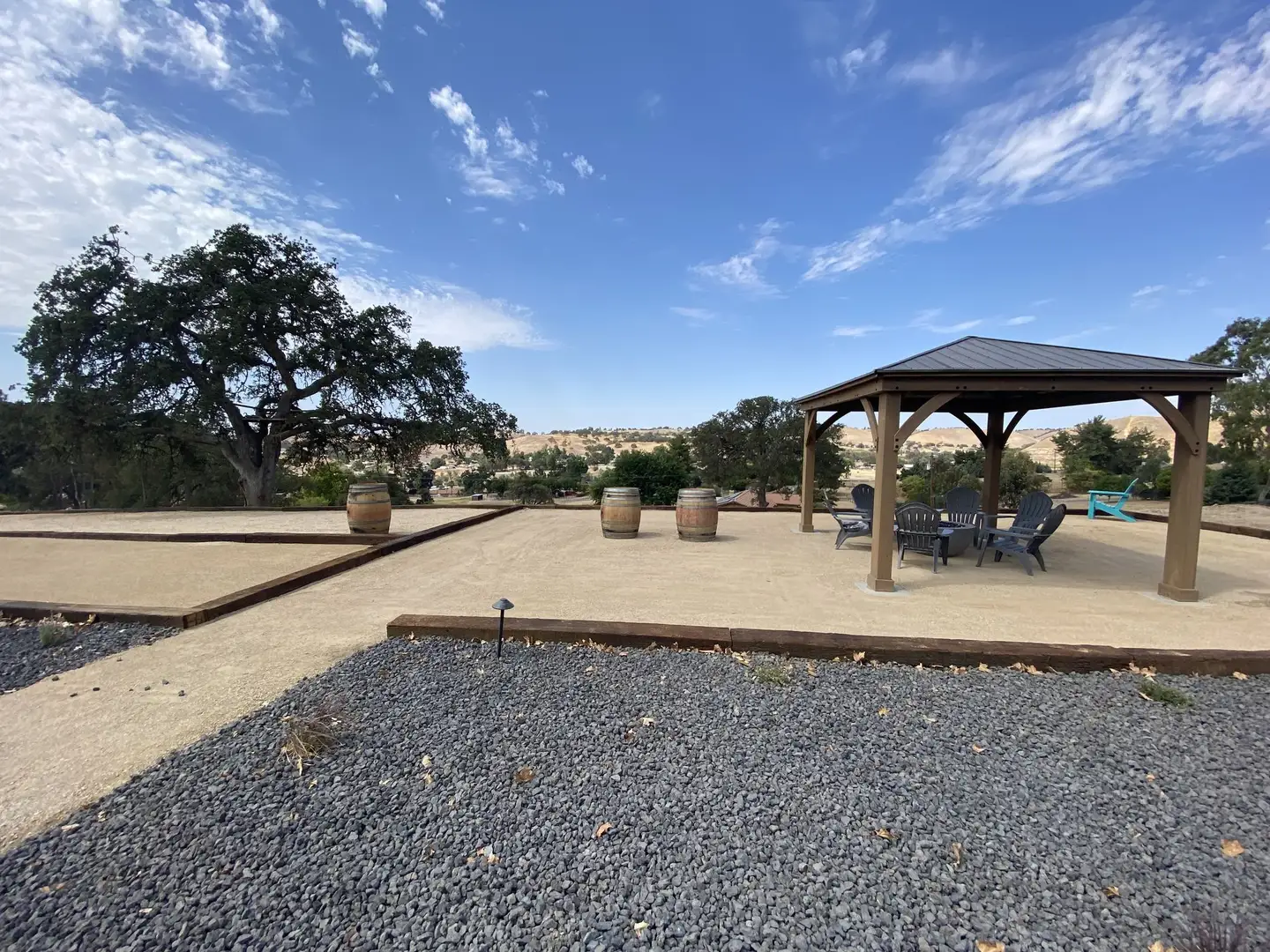
Field BMPs on City Jobs
The City’s pollution prevention guide for construction sites is clear: anything but stormwater stays out of the MS4. In the field we contain concrete wash and slurry, store materials covered on the parcel, ring the site so muddy water cannot escape, tarp stockpiles and open soil ahead of storms, leave curb flows open and wipe spills dry rather than washing them. Bigger jobs carry a Storm Water Pollution Prevention Plan. Those habits protect San Luis Creek and avoid a Stop Work notice.
Permeable Paving and Hardscape Choices
Sealed concrete routes rainfall straight to the curb. Inside the city we frequently swap a sealed apron for permeable paver fields on a free-draining base, or for gravel and DG panels that drink roof and yard runoff. Because the City publishes a permeable-pavement SCM inspection form on its PCR page, open surfacing is clearly part of the preferred toolkit when soils cooperate. Modest grade walls with free-draining rock packs can stabilize a cut and keep fine sediment out of the gutter. Layout details live on our San Luis Obispo hardscape page and paver installation in San Luis Obispo, coordinated with the drainage sketch so hardscape and softscape act together.
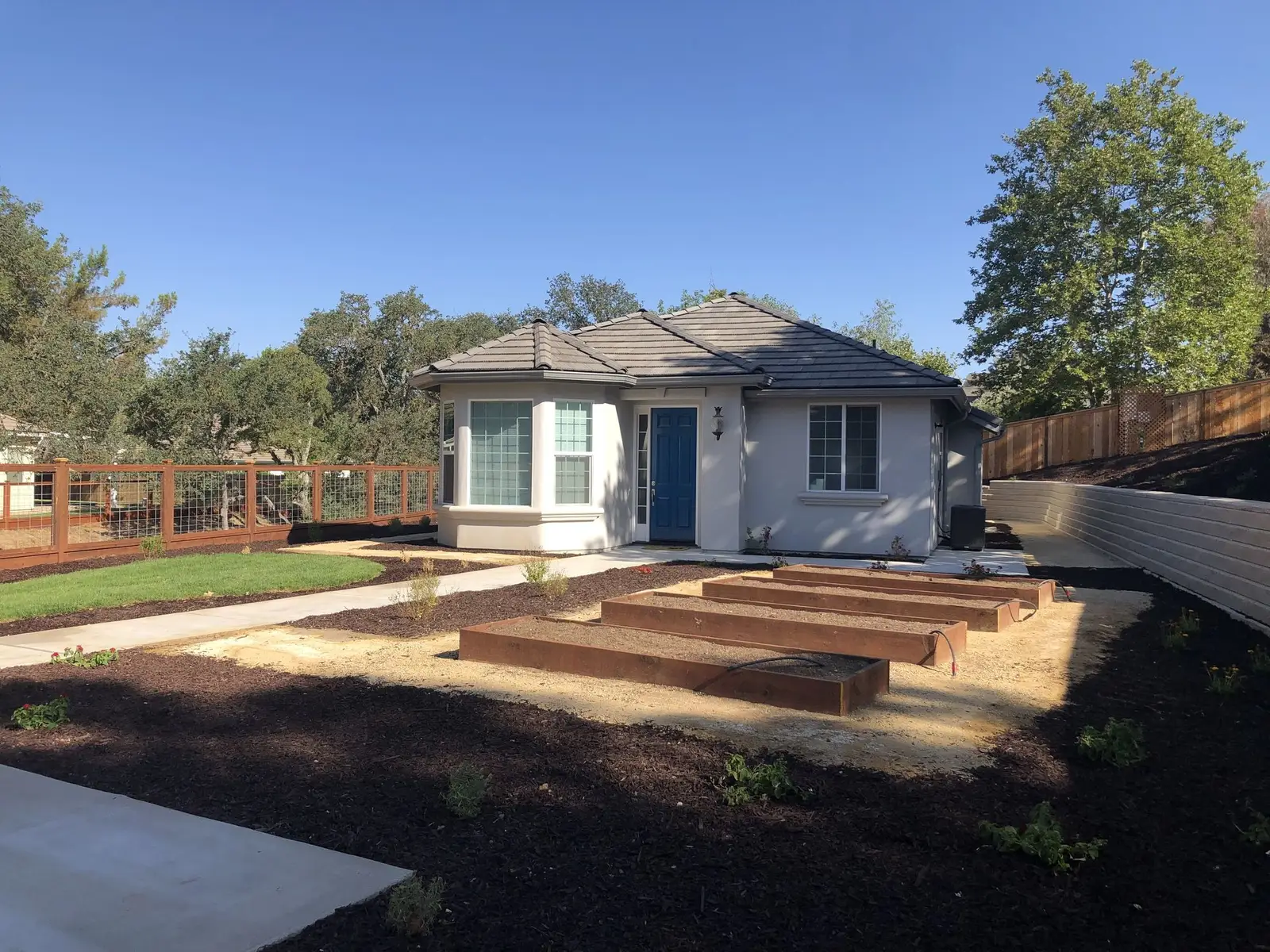
Permits, Exemptions and Counters
Building & Safety (805-781-7180), Planning (805-781-7170) and Public Works (805-781-7220) share counter work for yard projects. The City’s permit forms page lists a Work Exempt from Building and Safety Permits handout, a Water Pollution Control Plan template and a Masonry Retaining Wall form capped at four feet of height. Those titles are not a free pass: we confirm the actual exemption with Building & Safety before digging, and we pause for a civil engineer when foundations move, banks slip or a drainage plan must be sealed.
InfoSLO tracks permit status and many inspection requests. For stormwater field questions on PCR-level work, the PCR page lists 805-781-7419.
Irrigation Timing and Winter Sequencing
Misaimed spray that hits sidewalks and curb faces wastes water and leaves paving glass-slick. City resident guidance calls for seasonal controller updates, covering bare ground against erosion and holding off garden chemicals until more than 48 hours clear of rain. During a drainage site visit we also flag nozzles that wet hardscape and soft spots that stay soggy from irrigation alone. Controller, drip and hydrozone options are outlined on our county irrigation page.
Whenever the schedule allows, we complete outlets, surface mulch and plantings ahead of the first October fronts instead of leaving fresh cuts bare all winter. That approach lines up with the City’s “Be Rain Ready” construction checklist and the erosion-control expectation in 12.08.150.
Creek-Side Lots and Neighbor Sheet Flow
Parcels along San Luis Obispo Creek, Stenner Creek and similar city drainages need outlets that keep silt and fertilizer inside the fence. Whenever grade permits, emitters and rock basins stay on the parcel; concentrated discharge aimed at the next door is off the table. Hillside streets often push sheet flow from above: a high-side catch-swale or gravel interceptor gathers it before it reaches the house pad.
What Homeowners Can Do Before We Arrive
Photograph ponding during the next storm, note which roof outlets overflow, and mark any sidewalk or curb that stays wet from irrigation. Check InfoSLO or call Building & Safety if you already have an open permit. Having that short list ready makes the first site visit faster and helps us see whether a Stormwater Control Plan conversation is likely.
How We Approach a City Drainage Project
We start with a wet-weather or post-storm survey, pin the arrival and leaving edges, and flag PCR, grading or creek-adjacent triggers. From there we draft proposed contours, roof-outlet paths, swale or dry-run lines, receiving plantings and any hardscape that should become permeable. When a Stormwater Control Plan, grading permit or sealed civil sheet is required, construction waits until City staff and the engineer clear the path. Installation follows, each outlet is hose-tested, and you receive a short care sheet (keep emitters clear, top up mulch, observe the opening storms of the season).
Paso Robles Landscaping holds CSLB #986950 as a landscape contractor. Civil design and City inspection are outside our license. Settling foundations, tilting walls and moving slopes need a licensed engineer first; afterward we place the landscape drainage elements exactly to that sheet. Grade-wall details: retaining walls in San Luis Obispo.
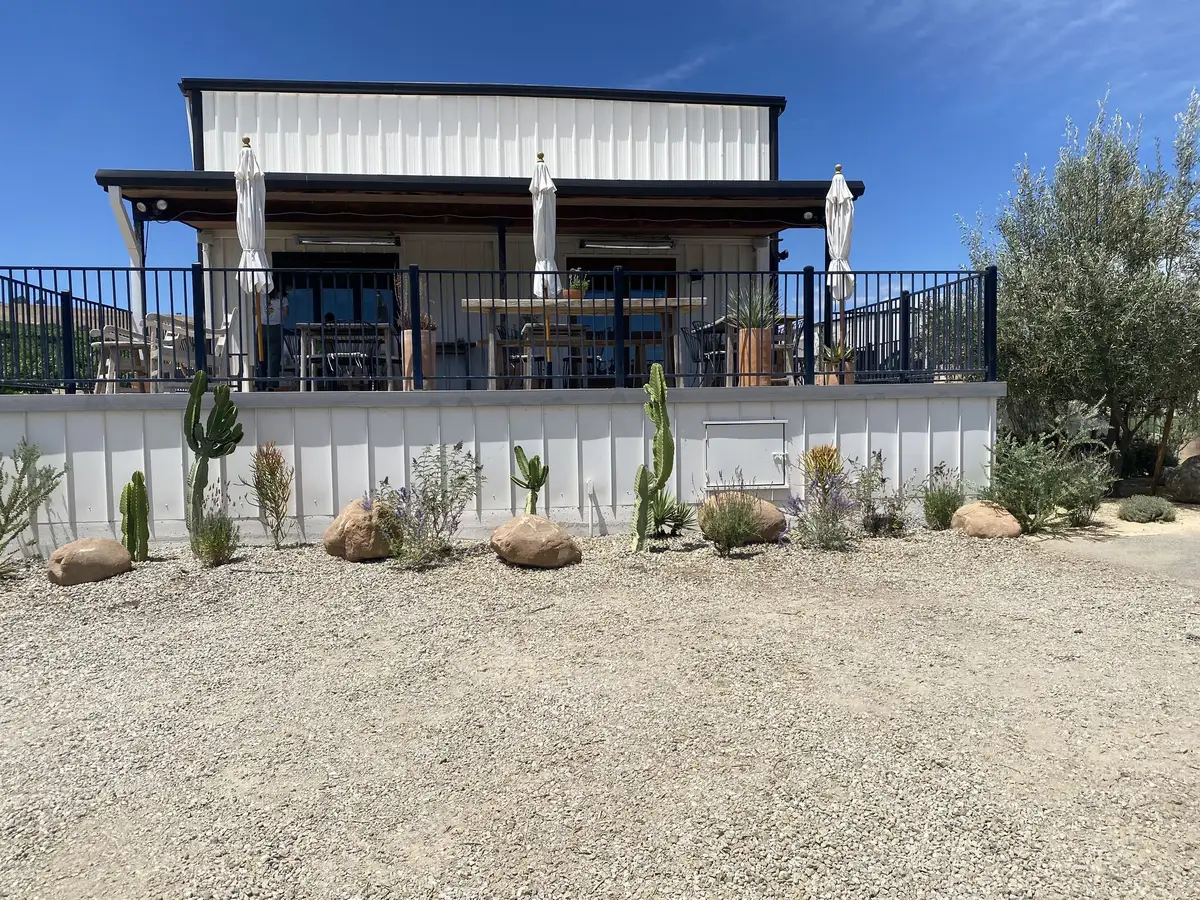
Drainage Work We Offer in San Luis Obispo
Select one correction or a coordinated yard package:
- A wet-day survey that traces arrival points, ponding spots and discharge edges
- Re-contouring planting strips so soil crowns and falls clear of siding
- Underground solid conveyances from each roof outlet to a soakage area or emitter
- Soakage gardens and bioswales planted with low-water, non-invasive species
- Armored dry runs that brake sheet flow before it hits paving
- Permeable paver fields, gravel courts or DG pads in place of sealed slabs
- Temporary cover, seed and catch-swales on fresh cuts ahead of November rain
- Modest grade walls backed with drain rock and free-draining outlets
- Spray and drip corrections that stop irrigation water from crossing hardscape
More Guides for San Luis Obispo Yards
Nearby San Luis Obispo and drainage guides:
- Hardscape in San Luis Obispo
- Paver installation in San Luis Obispo
- Retaining walls in San Luis Obispo
- Concrete driveways and walkways in San Luis Obispo
- Patios in San Luis Obispo
- Yard drainage in Paso Robles
- Yard drainage in Atascadero
- Yard drainage in Templeton
- Yard drainage in Arroyo Grande
- Yard drainage in Nipomo
- Yard drainage in Pismo Beach
- Yard drainage in Avila Beach
- Yard drainage in Morro Bay
- Yard drainage in Cayucos
- Yard drainage in Grover Beach
- Yard drainage in Oceano
- Landscaping in San Luis Obispo
- Atascadero
- Pismo Beach
Every community we cover: the San Luis Obispo County service area hub.
Frequently Asked Questions
Is a Stormwater Control Plan part of city yard drainage work?
Yes whenever the City needs to see how a project meets Central Coast PCR rules or qualifies for an exemption. Minor repairs that do not change how runoff leaves the parcel may be exempt; bigger patio, drive or full-yard rebuilds usually need the plan. We confirm with the City stormwater resources and Building & Safety before bidding hard.
Should roof leaders empty at the curb?
Keeping roof water on the lot is the safer default. San Luis Obispo storm drains carry untreated flow to creeks and the ocean. PCR materials push infiltration, treatment and on-site retention, and Chapter 12.08 blocks pollutant-bearing discharges into the MS4.
Which non-stormwater flows does the code allow?
Under 12.08.100, examples include foundation drains, footing drains, incidental landscape runoff, residential car washing and dechlorinated pool discharges when pollutant controls exist. Anything beyond incidental landscape runoff falls under Chapter 13.07. For pools, the sanitary sewer remains the preferred destination when available.
When must an erosion and sediment control plan be filed?
Section 12.08.150 ties that plan to issuance of a grading or building permit. Disturbing one acre or more of soil, or less than one acre inside a larger common plan, also triggers Construction General Permit enrollment and a WDID number.
What if walls are tilting or the pad is settling?
Bring in a civil or geotechnical engineer before landscape work. Once their sealed sheet is ready, we place contours, swales, conveyances, drains, permeable surfaces, plantings and modest grade walls to match it.
Ready to Dry Out a Soggy Corner?
Show us the wet spots and wash paths on your San Luis Obispo property; we will schedule a no-cost site visit and a written estimate.
Call 805-712-4440 Get a Free Estimate
Paso Robles Landscaping · 1345 Riverside Ave, Paso Robles · Licensed contractor, CSLB #986950 · Serving all of San Luis Obispo County